

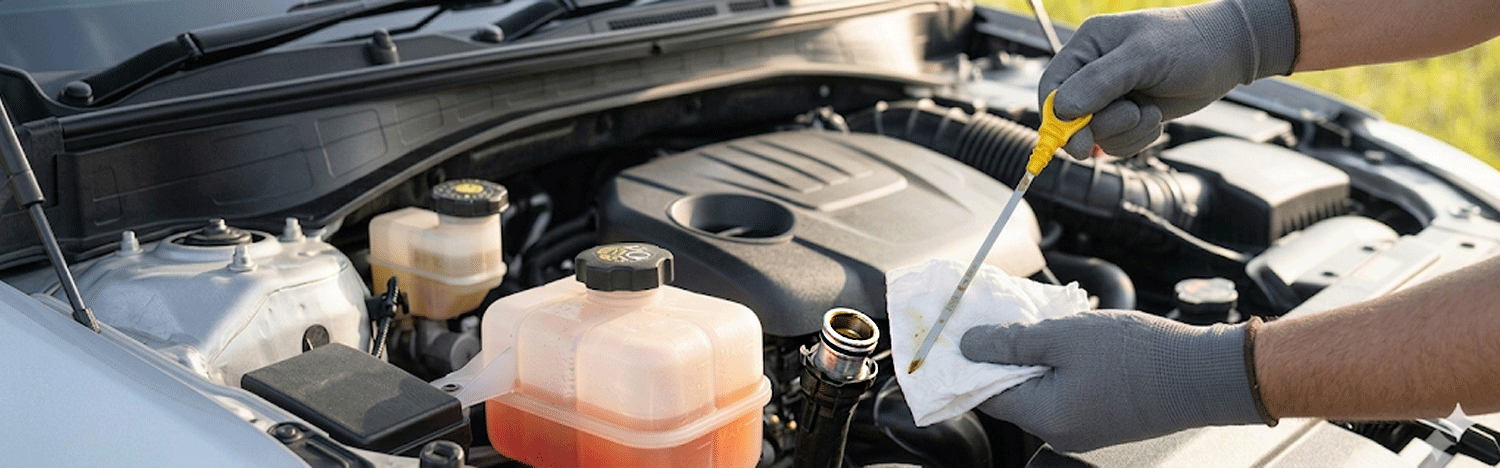
As summer climate profiles evolve and heatwaves grow more intense across North Texas, performing preventive automotive maintenance becomes a vital safety essential. Sustained thermal energy can rapidly fatigue engine components, cause vital fluid lines to evaporate, and impose severe operational stress on mechanical assemblies operating under harsh conditions. Skipping this critical seasonal transition substantially increases the likelihood of unexpected mechanical failures, structural component failures, and hazardous tire degradation on burning asphalt corridors. Getting your automobile ready for these environmental stressors requires a proactive, strategic approach.
Combating Extreme Heat and Heat Damage Protection
- Battery Check: High ambient temperatures accelerate internal grid corrosion and fluid vaporization in vehicle batteries. A professional diagnostic assessment guarantees peak cranking power and protects you from being stranded in remote locations.
- Belts and Hoses: Extended exposure to extreme heat can cause rubber drive belts and radiator hoses to become brittle, crack, or stretch, leading to unexpected failures of the charging or cooling systems.
- Air Conditioning Check: Evaluate your climate control system immediately to detect minor refrigerant leaks or restricted airflow, ensuring you avoid lengthy service delays once peak summer temperatures arrive.
- Thermal Shielding: Passenger cabin environments can easily exceed safe operating parameters even on moderately warm days. Deploying premium reflective sunshades shields advanced interior electronics and upholstery from permanent ultraviolet damage.
Tire Safety and Summer Performance Metrics
- Cold Inflation Calibration: Measure tire inflation with a precise gauge when the tires are completely "cold"—ideally after parking for at least 3 hours or driving less than 1 mile.
- PSI Adherence: Strict compliance with the manufacturer-specified PSI, as specified on the driver-side door pillar or in the owner's manual, is critical; never inflate tires to the maximum pressure indicated on the sidewall.
- Structural Inspections: Conduct routine examinations of your tires for heat-induced degradation, including sidewall cracking, irregular tread wear, punctures, or dangerous structural bubbling.
- Load and Tire Alignment: Driving at high speeds or hauling heavy cargo can put extra strain on tire compounds in hot weather. Investing in a professional wheel alignment helps ensure even wear and maximizes passenger safety.
Maximizing Fluid Health and Cooling System Integrity
- Cooling System Optimization: Validate the operational efficiency of the radiator, thermostat, and water pump. Always use premium-grade engine coolant with a high boiling point to help prevent overheating.
- Fluid Level Audits: Verify that all essential under-hood fluids—including motor oil, brake fluid, and transmission fluid—are free of contaminants and maintained at correct operating capacities.
- Visibility Refresh: Discard worn or damaged wiper blades to guarantee optimal visibility through heavy summer downpours, and ensure the windshield washer fluid reservoir is full.
- Rust Prevention: Clean your vehicle's undercarriage thoroughly to remove salt residue and road contaminants. Repair small paint chips immediately to prevent high humidity and heat from accelerating rust formation.
Schedule Your Seasonal Service
Do not allow extreme seasonal temperatures to disrupt your travel plans. Arrange a comprehensive vehicle health check at the Reliable Chevrolet TX Service Center today. Outrun the seasonal service congestion and guarantee your vehicle is fully engineered to tackle the harsh climate ahead. Please reach out to us today for more details.
